March 2026 • Volume 002
What an extraordinary way to begin the year. The first days of KRSTN Editions have already gathered a formidable group, one I'm proud to be building alongside. Thank you for being here. It's going to be a meaningful year.
Palm Beach
A Masterclass In No Detail Too Small To Be Considered
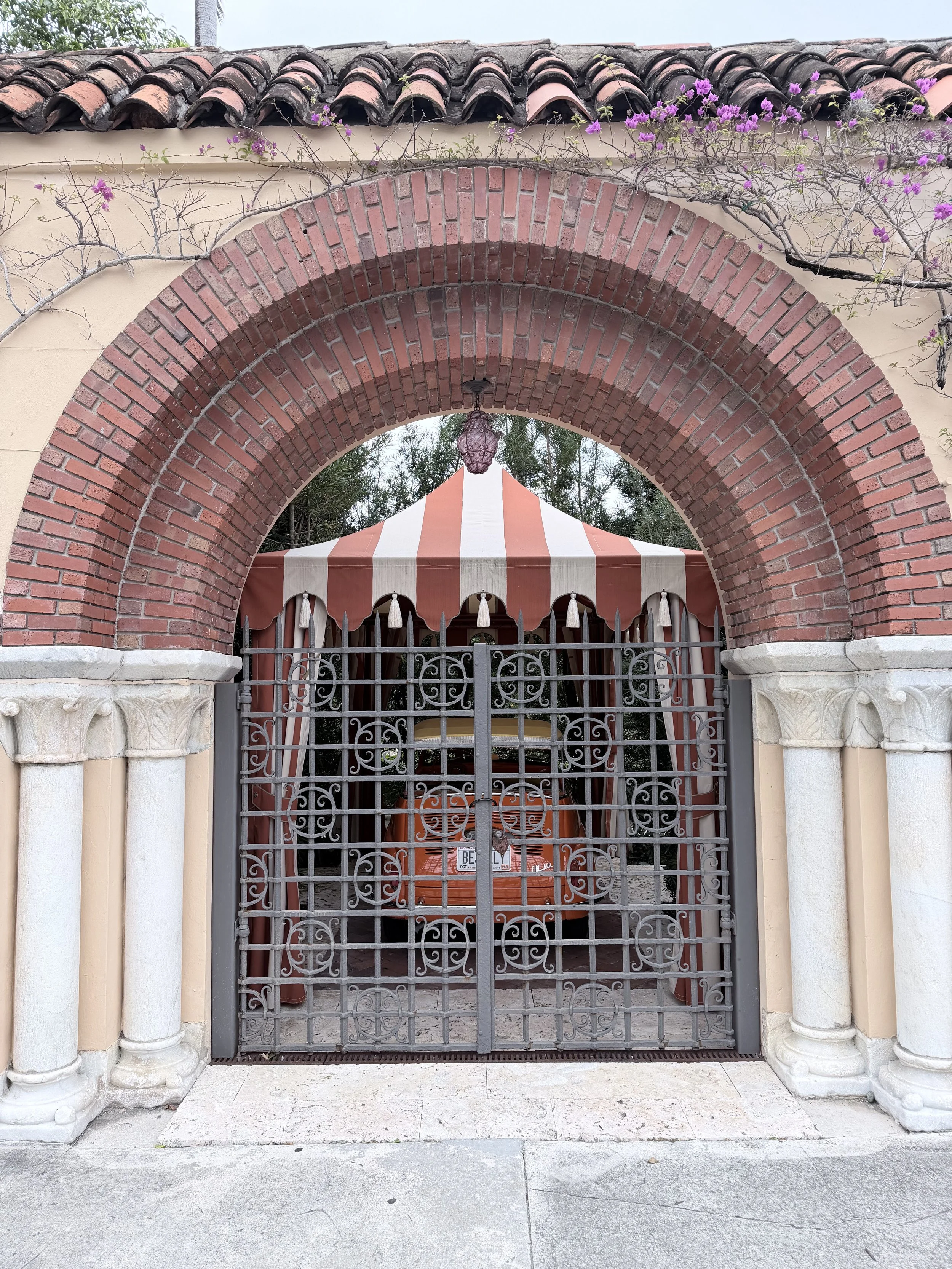
Palm Beach this winter and especially during the Design Days felt aligned with where my work is headed, rooted in legacy, lifestyle, and the long view.
Hearing Amy Astley, Robin Standefer, and Aerin Lauder speak was a reminder that the most compelling design is not trend-led, but life-led. Amy's recalibration of Architectural Digest, Robin's narrative-driven interiors, and Aerin's instinctive understanding of generational continuity all returned to the same idea: design is an extension of how we actually live and what we intend to leave behind.
They spoke about setting the table as an art form. I wholeheartedly agree. The table is where ritual and architecture meet. Where memory becomes tangible and the art of sharing beauty with those around the table. The panel opened with an introduction to Glazer Hall, newly reopened after a ten-year renovation. Avi and Jill Glazer, alongside designer Bryan Graybill, reflected on John Volk's original vision and the discipline required to steward a landmark forward without losing its soul. Exceptional work take time. I look forward to attending future events at Glazer Hall, it really is a work of art.
Nick Mele's Palm Beach pop-up gallery was a masterclass in spatial narrative. A modest space transformed into a jewel box, layered, atmospheric, intentional, as if you had stepped directly into one of his portraits. The photographs sat playfully against a richly curated backdrop. It was a reminder that environment shapes perception.
Marshall Watson defined elegance during an hour-long lecture at the Preservation Foundation of Palm Beach in a way that lingered. Designing spaces to fit the client, and clients to fit the space. His stories were measured, generous, and deeply considered. It was the kind of lecture that could have lasted all afternoon.
We visited The Polo Room, the new and buzzy restaurant by polo star Nacho Figueras. It's a lively nod to the sport aesthetic and the staff was excellent. Still, I found myself thinking about the difference between branding and language. When you've spent time adjacent to the world of Ralph Lauren, where a horse bit becomes a sconce, an embroidered logo is scaled with precision, a tapestry pattern is carried through to the rug and at times, the sport coats in the closet, you understand that cohesion is discipline. Identity is
reinforced in the smallest gestures. Without that rigor, a space risks becoming themed rather than authored. I suspect The Polo Room will evolve. We'll happily return, especially for an early dinner in a lively room I find only possible in Florida.
The week's through-line was unmistakable: No detail is too fine to obsess over.
Proportion. Millwork. Fabric weight. Restoration ethics. Menu typography. How a napkin sits on a place setting and trim profile of that napkin and the tiny detail along the dinnerware. Like artwork on the wall both considered equally. Each element matters as much as the whole. Good interiors, and great art curation, begin long before demolition or installation. The concept is identified. The language is defined. Every detail is calibrated. When done well, the result feels effortless. Almost accidental. It never is. And like most meaningful work, it takes collaboration. It takes patience. It takes a village.
Current Influences
Island Life: The Design Philosophy of Place
My recent Substack essay Island Life, place shapes practice—not just aesthetically, but philosophically. explores this idea deeply: how islands don't isolate creative work, they distill it. When you're surrounded by water, everything becomes more essential. You choose what matters, what serves, what stays.
This isn't romantic escapism. It's practical necessity. The spaces I create for clients, whether commissioned paintings or fully curated interiors, benefit from this constant oscillation between gathering inspiration and processing it in solitude. Between the social energy of design events and the quiet discipline of the studio. You can't create spaces that feel like sanctuary if you never experience sanctuary yourself.
The visual language of island living continues to inform my work: blue and white as inevitability rather than trend, the interplay of pattern and restraint, natural materials that improve with salt air and time. These elements appear in my paintings not as literal translation, but as sensibility, the lightness, the layering, the way calm and complexity can coexist. Members of KRSTN Editions receive full access to these essays on Substack, where I share the deeper thinking behind the work. It's the insider perspective that transforms how you see not just art, but how you approach building spaces worth living in.
Looking Ahead
This report will evolve each month, tracking what's influencing my thinking, shaping my practice, and informing the work I'm creating both independently and collaboratively. Some months will be deeply personal. Others more observational. All will offer you the kind of insider perspective that comes from living and breathing this work every day.
Because here's what I know: the most interesting spaces, the most meaningful collections, the most authentic expressions of personal style, they don't happen by accident. They happen when someone with vision partners with someone who has the experience to make that vision real.
Thank you for being here at the beginning of this next chapter. I'm building something extraordinary, and I'm grateful you're part of it.
With intention and momentum,
Kristen